



 ★ 6.8Pitch Perfect 22015 · 115 min
MovieJoy
163 musicals, dance films and comedies. Pick a mood and press play.
 Today's pickSing StreetA boy growing up in Dublin during the 1980s escapes his strained family life by starting a band to impress the mysterious girl he likes.…
Music
See all (74)★ 6.8Pitch Perfect 22015 · 115 min ★ 6.5High School Musical2006 · 98 min
 ★ 7.4Elvis2022 · 159 min
 ★ 6.5Pitch Perfect 32017 · 93 min
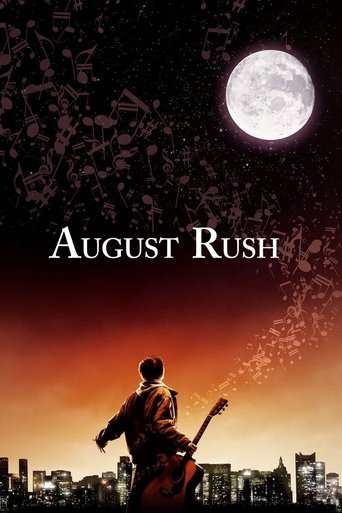 ★ 7.4August Rush2007 · 114 min
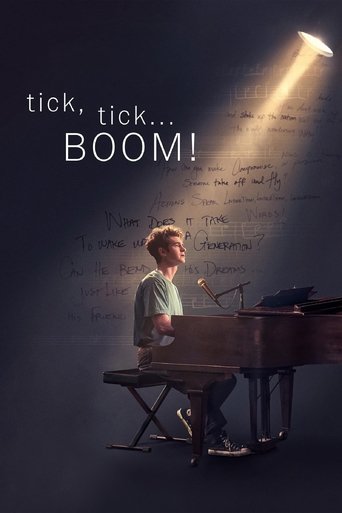 ★ 7.6tick, tick... BOOM!2021 · 120 min
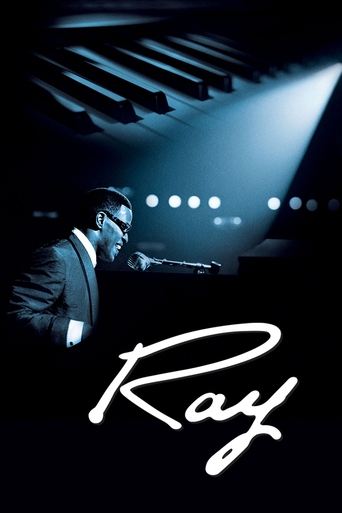 ★ 7.5Ray2004 · 152 min
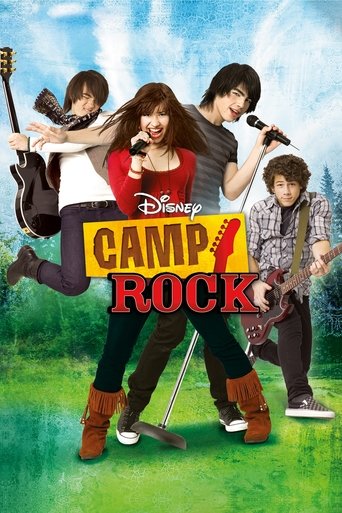 ★ 6.4Camp Rock2008 · 94 min
 ★ 7.3Another Cinderella Story2008 · 92 min
 ★ 6.8Step Up All In2014 · 112 min
 ★ 6.4Music and Lyrics2007 · 104 min
 ★ 6.6Footloose2011 · 113 min
Comedy
See all (89) ★ 6.8Home Alone 2: Lost in New York1992 · 120 min
 ★ 7.6Groundhog Day1993 · 101 min
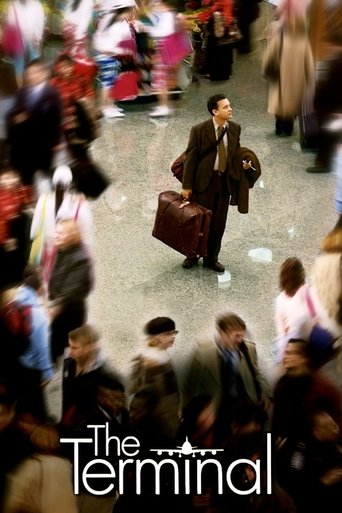 ★ 7.4The Terminal2004 · 128 min
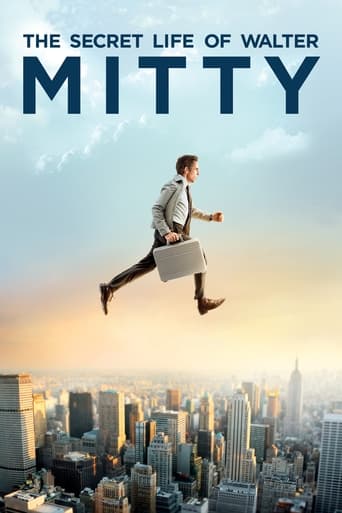 ★ 7.2The Secret Life of Walter Mitty2013 · 114 min
 ★ 7.7Little Miss Sunshine2006 · 102 min
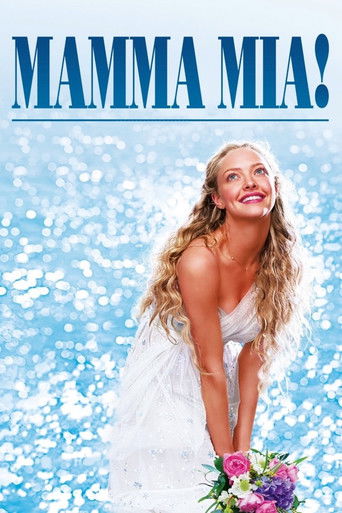 ★ 7.0Mamma Mia!2008 · 108 min
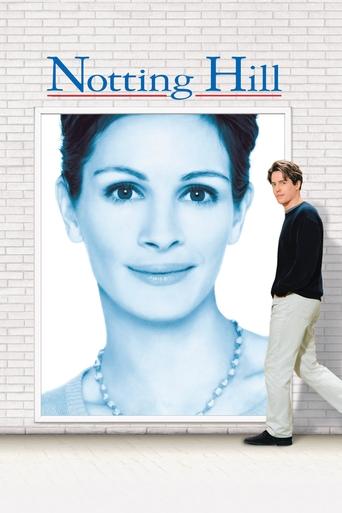 ★ 7.3Notting Hill1999 · 124 min
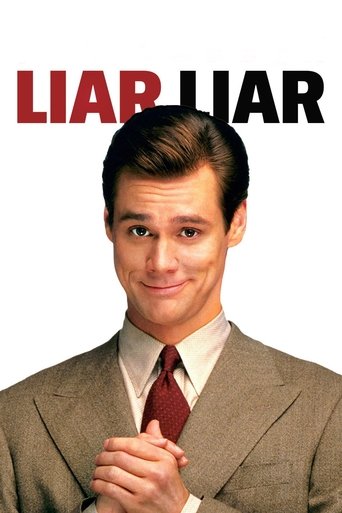 ★ 6.7Liar Liar1997 · 86 min
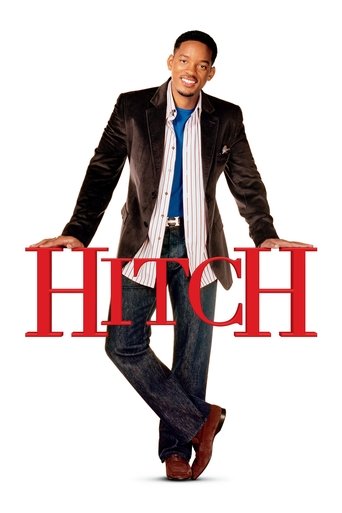 ★ 6.6Hitch2005 · 118 min
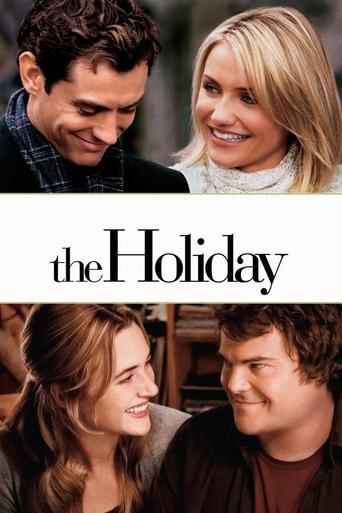 ★ 7.1The Holiday2006 · 136 min
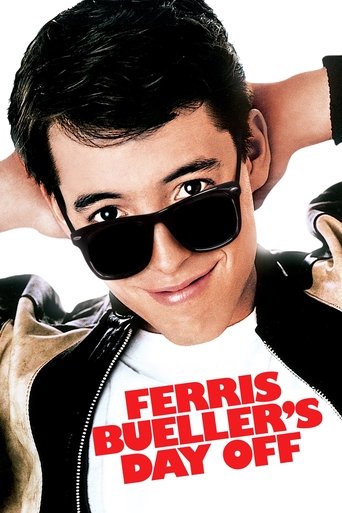 ★ 7.6Ferris Bueller's Day Off1986 · 103 min
 ★ 7.2Marley & Me2008 · 115 min
Dance
See all (17) ★ 7.5
 ★ 7.5
 ★ 7.2
 ★ 6.9
 ★ 6.5
 ★ 6.2
Golden-age musicals
See all (10)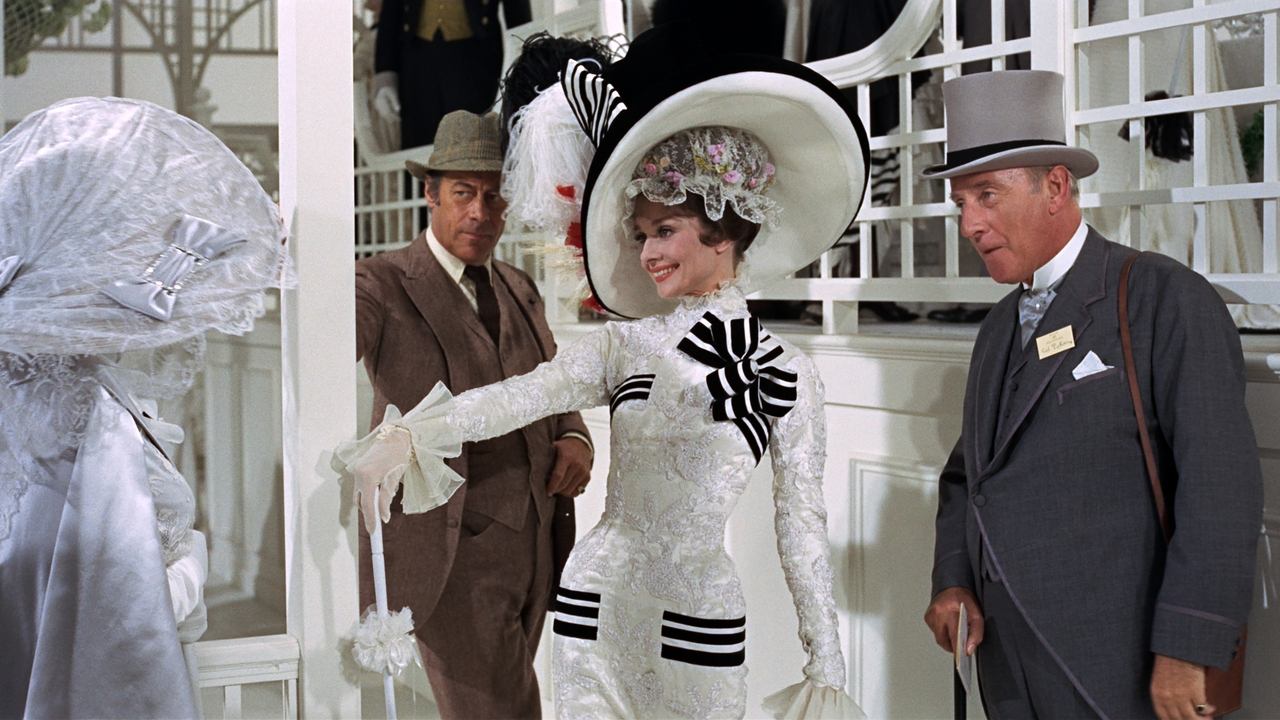 My Fair Lady1964 · George Cukor
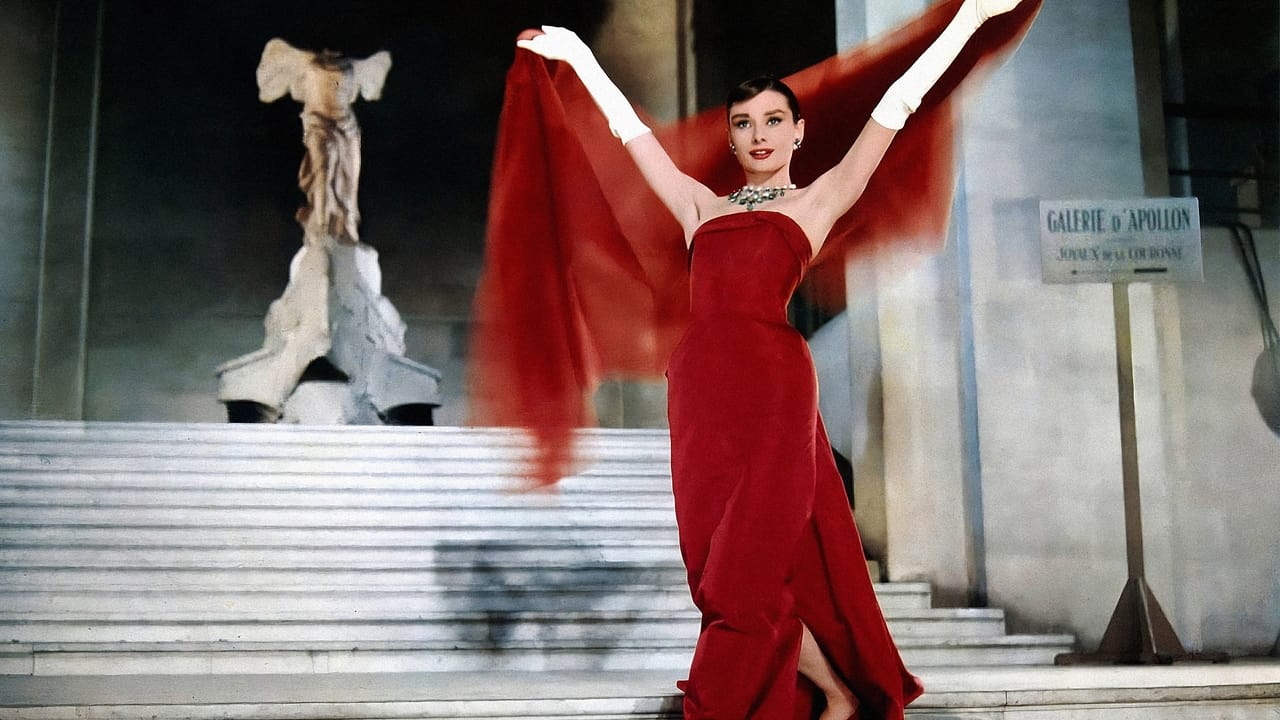 Funny Face1957 · Stanley Donen
 High Society1956 · Charles Walters
Romance
See all (65) ★ 6.5
 ★ 6.7
 ★ 6.6
 ★ 6.9
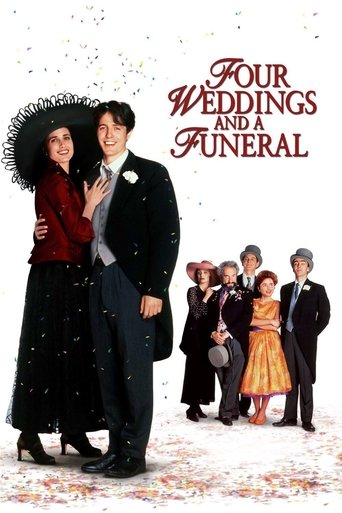 ★ 6.8
 ★ 6.6
Family
See all (39)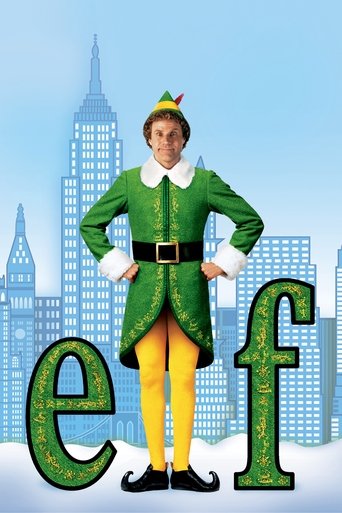 ★ 6.7
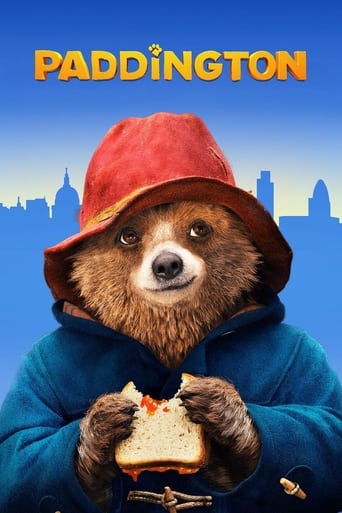 ★ 7.1
 ★ 6.5
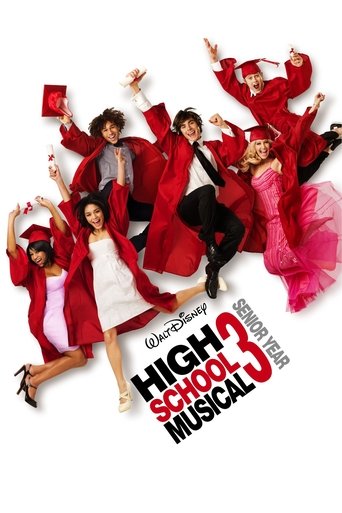 ★ 6.5
 ★ 6.8
 ★ 6.5
The MovieJoy guide to feel-good movies
MovieJoy: feel-good movies, from Sing Street, CODA and My Fair Lady to Groundhog Day, Big and Elf
Some films leave you humming on the way to bed. Others send you to sleep still smiling at a line of dialogue, or make you want to ring an old friend, or learn to dance. MovieJoy is a guide to films of that kind. It lists 163 movies chosen for one quality above all, the lift they give, and it arranges them by mood so that the right one is easy to find at the end of a long day.
The catalogue has two halves. Seventy-four films are about music: thirty-six musicals in which the story is told in song, seventeen dance films, and a long shelf of stories about singers, bands, choirs and the teachers who inspire them. Eighty-nine are comedies, most of them made between 1980 and 2015, the years in which Hollywood and the British studios turned out warm, well-made comedies as a matter of routine. Together they run for more than 280 hours, the work of more than 140 directors, and they span ninety years, from a Marx Brothers picture of 1937 and a best picture winner of 1936 to releases of the present decade.
This guide follows the moods on the home page. It begins with how the site works, moves through music, musicals, dance and the golden age, then turns to comedy, romance, family films and school stories, and ends with questions and answers. The short page on how to watch with MovieJoy covers the practical steps.
How MovieJoy works
The home page is built around a simple question: what are you in the mood for? Eight round buttons answer it. Sing along opens the music films, Dance the dance films, Laugh the comedies, Fall in love the romances, Family night the films for all ages, Golden age the musicals made before 1970, School days the stories of growing up, and Christmas the films for December. Each button shows how many movies wait behind it.
Under the buttons sits Today's pick, a large still from one film with its opening lines, beside a short list of four of the highest-rated titles. Rows of posters follow for music, comedy, dance, romance and family, with a strip of three golden-age musicals between them. Every poster carries a yellow star badge with the rating, and under it the title, the year and the running time.
Pressing a poster opens the movie's own page, with a summary, the cast and the parts they play, the director, the studio and the release date. The Watch now button sits beside a country selector: choose your country, press the button, and JustWatch opens with the subscription, rental, purchase and free services that carry the film where you live. The page on finding a movie describes every route through the site, and My List explains the bookmarks.
Sing along: the music films
The Music list is the heart of MovieJoy, and its favourite story is the birth of a band. In Sing Street, rated 7.9, a Dublin schoolboy in 1985 tells a girl he needs her for a music video, and then has to form the band to go with it. The songs, written for the film, are good enough to have been hits in the year they imitate. Its director, John Carney, returns with Flora and Son, in which a young Dublin mother rescues a guitar from a skip and takes lessons from a teacher in California over a video call.
The Commitments, directed by Alan Parker in 1991, assembles a soul band from the unemployed youth of north Dublin, and its cast of unknowns sing every note themselves. Lemonade Mouth forms a band in a school detention room, The Rocker gives a washed-up drummer, played by Rainn Wilson, a second chance in his nephew's group, and Bill & Ted Face the Music asks two middle-aged friends to write the song that will unite the world. In Pitch Perfect 2 and Pitch Perfect 3 the band has only its voices: the Barden Bellas sing a cappella on the world stage.
A second favourite story is the discovery of a gift. CODA, rated 7.9 and winner of the Academy Award for best picture, follows the hearing daughter of a deaf fishing family whose choir teacher hears something special. August Rush is a fairy tale about a boy who can hear music in the wind and follows it to New York in search of his parents. Teen Spirit sends a shy girl from the Isle of Wight to a televised singing contest, and The High Note follows a personal assistant with a producer's ear who works for a superstar.
Then there are the teachers. Mr. Holland's Opus stars Richard Dreyfuss as a composer who takes a school job for a few years and stays for thirty, and its closing scene has moved audiences since 1995. In Music of the Heart, Meryl Streep plays a violin teacher who builds a string programme in East Harlem, a true story and a rare gentle film from the director Wes Craven. Drumline takes a gifted young drummer into the fierce world of the college marching band, and Joyful Noise gives a small-town gospel choir two leaders, Queen Latifah and Dolly Parton, who agree on very little except the music. The music movies page sorts the list by story.
Real lives in song
Fourteen titles are true stories, and most of them belong to music. Ray won Jamie Foxx an Academy Award for his portrait of Ray Charles, from a childhood in rural Florida to the concert halls of the world. Selena, rated 7.7, made a star of Jennifer Lopez as the Texan singer who carried Tejano music to a vast new audience. Elvis, Baz Luhrmann's dazzling film of 2022, and A Complete Unknown, with Timothée Chalamet as the young Bob Dylan, bring the list up to date, and tick, tick... BOOM! celebrates Jonathan Larson, the composer who would go on to write Rent.
The older biographies have their own charm. The Glenn Miller Story of 1954 stars James Stewart as the bandleader in search of a sound, and The Great Ziegfeld, which won the Academy Award for best picture of 1936, recreates the stage spectacles of the Broadway showman at lavish length; at 185 minutes it is the longest film on MovieJoy.
Britain and Ireland supply three true stories of unlikely success. One Chance follows a shy mobile-phone salesman from Wales, played by James Corden, who dreams of singing opera and gets his moment on a television talent show. Fisherman's Friends is about ten Cornish fishermen whose sea shanties earn a record contract, and Good Vibrations tells of the Belfast record-shop owner who gave the city's young bands a home. The Soloist completes the group: a Los Angeles journalist meets a gifted cellist living on the street, and a friendship begins. See the true stories page.
Musicals: stories told in song
In a musical, people sing because speech has stopped being enough, and thirty-six films on MovieJoy work that way. The grandest is My Fair Lady, directed by George Cukor in 1964. Audrey Hepburn plays Eliza Doolittle, the Covent Garden flower seller, and Rex Harrison is Professor Higgins, who wagers that he can pass her off as a duchess within six months. It won eight Academy Awards, including best picture, and at 173 minutes it fills an evening handsomely.
The modern stage musical is represented by Mamma Mia!, which strings the songs of ABBA along a wedding on a Greek island and lets Meryl Streep leap about on a bed with complete abandon, and by The Last Five Years, a two-person show in which Anna Kendrick tells the story of a marriage backwards while her husband tells it forwards. tick, tick... BOOM! is a musical about writing a musical. Jingle Jangle: A Christmas Journey and Lyle, Lyle, Crocodile, whose reptile hero sings in the bath, were written straight for the screen.
Some films on the list are musicals in spirit. The Muppets of 2011 reunites the troupe to save their old theatre, with new songs that won an Academy Award. Strictly Ballroom and Dance with Me build to dance numbers as a musical builds to songs, and Steel Magnolias, which began on the stage, is here for its music of another kind: six Louisiana women talking in a beauty parlour. The musicals page offers a route through the list.
The golden age
Ten films date from before 1970, and the Golden age button on the home page gathers them. They come from the years when the Hollywood studios kept composers, choreographers and orchestras on the payroll, and it shows in every frame.
Fred Astaire appears in two. In Easter Parade of 1948 he plays a dancer who loses his partner and vows to turn the next chorus girl he meets into a star; she is played by Judy Garland, and the songs are by Irving Berlin. In Funny Face of 1957 he is a fashion photographer who discovers a new model, Audrey Hepburn, in a Greenwich Village bookshop and takes her to Paris. The songs are by George and Ira Gershwin, and Hepburn's dance in a smoky cellar club is a highlight of her career.
Gene Kelly leads Brigadoon, directed by Vincente Minnelli in 1954, in which two American hunters stumble on a Scottish village that appears for a single day each century. Oklahoma!, from 1955, brought the Rodgers and Hammerstein stage hit to the widest of wide screens and introduced Shirley Jones. High Society of 1956 turned a famous stage comedy into a Cole Porter musical with Bing Crosby, Frank Sinatra and Grace Kelly, in her last film before she became a princess, and Louis Armstrong and his band comment on the action throughout.
The two oldest films are from the 1930s: The Great Ziegfeld and A Day at the Races, in which Groucho Marx plays a horse doctor put in charge of a sanatorium, Chico sells tips at the racetrack and Harpo plays the harp. Blue Hawaii of 1961, the sunniest of the Elvis Presley pictures, closes the era. The golden-age musicals page suggests where to begin.
Dance
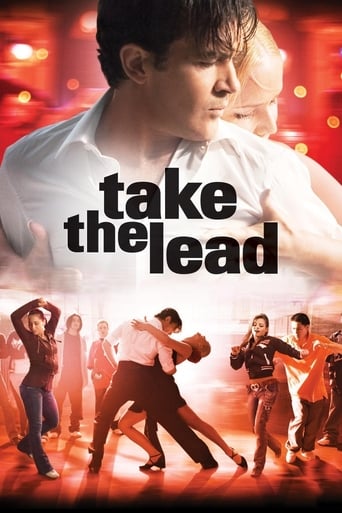
Seventeen films are about dancing, and they cover the floor from ballroom to pavement. Strictly Ballroom, the first film by Baz Luhrmann, is set in the sequinned world of Australian competitive ballroom, where a young champion scandalises the federation by inventing his own steps and finds a partner in a beginner. It is funny, heartfelt and only 94 minutes long. Take the Lead is based on a real teacher, played by Antonio Banderas, who brought ballroom to the detention class of a New York public school, and Dance with Me pairs Vanessa Williams with the Puerto Rican star Chayanne in a Houston dance studio.
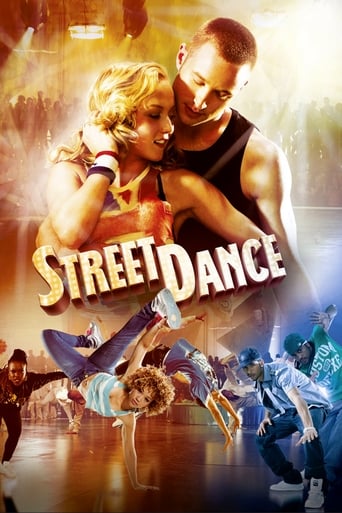
Ballet has Center Stage, set among first-year students at a New York ballet academy and directed by Nicholas Hytner of the National Theatre, with real dancers in the leading parts; its sequel, Center Stage: Turn It Up, follows a self-taught dancer from Detroit. Street dance has the two British films StreetDance 3D and StreetDance 2, in which a London crew joins forces first with ballet students and then with a Latin dancer in Paris, and Step Up All In, which gathers the heroes of a long-running series for a contest in Las Vegas.
The lighter end of the list is just as enjoyable. Girls Just Want to Have Fun of 1985 stars a very young Sarah Jessica Parker and Helen Hunt as schoolgirls set on dancing on their favourite television show. Footloose is the 2011 version of the story of a town that has outlawed dancing and the newcomer who changes its mind. Work It and Feel the Beat, both rated 7.5, are recent favourites, one about a student who builds a team from scratch, the other about a Broadway hopeful coaching children in her home town. The dance movies page groups them by style.
Television musicals
Sixteen of the films were made for television, and for a generation of viewers they are the musicals that matter most. High School Musical arrived in 2006 with a simple idea: the basketball captain and the new girl from the science team both audition for the school show, to the dismay of their friends. Directed and choreographed by Kenny Ortega, it became a phenomenon. High School Musical 2 moved the cast to a country club for the summer, and High School Musical 3: Senior Year took them to cinemas for their final term. Sharpay's Fabulous Adventure follows the school's leading lady, and her dog, to New York.
Camp Rock introduced Demi Lovato as a girl with a big voice at a summer music camp, with the Jonas Brothers as visiting pop stars. The three The Cheetah Girls films follow a girl group from Manhattan to Barcelona and then to India. Teen Beach Movie and Teen Beach 2 drop two modern surfers into a 1960s beach musical and then bring its characters to the present, and Lemonade Mouth, rated 7.4, is the most heartfelt of the group, a story about five students who find their voices together.
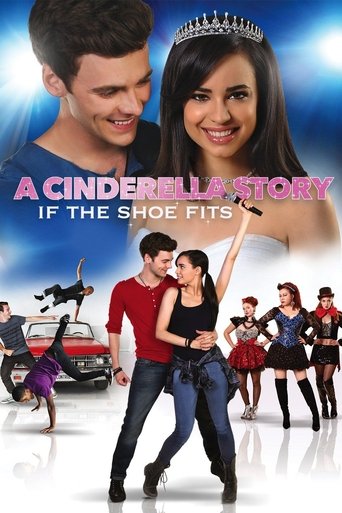
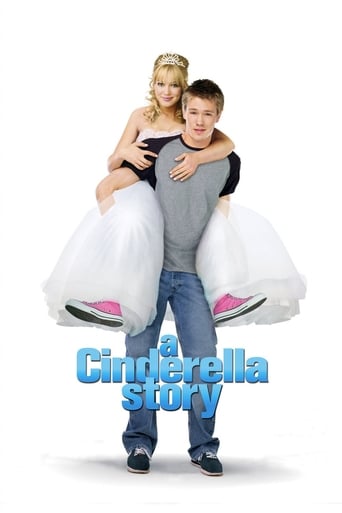
Several retell Cinderella. A Cinderella Story of 2004 has Hilary Duff as a diner waitress with a secret pen pal; Another Cinderella Story casts Selena Gomez as a dancer who drops a music player in place of a slipper; A Cinderella Story: If the Shoe Fits and A Cinderella Story: Starstruck continue the tradition, and Rags, rated 7.3, turns the tale around with a young man as the hero and Keke Palmer as the pop princess. The television musicals page lists all sixteen.
Laugh: the comedies
Eighty-nine comedies make up the second half of MovieJoy, and the best of them rest on a single brilliant idea. In Groundhog Day, rated 7.6, a sour television weatherman, played by Bill Murray, wakes to find himself living the same February day in a small Pennsylvania town again and again, and gradually works out what to do with it. In Big, a twelve-year-old makes a wish at a fairground machine and wakes up as Tom Hanks; the scene in which he dances on a giant floor piano in a toy shop is among the happiest in American cinema. Liar Liar obliges Jim Carrey's lawyer to tell the truth for twenty-four hours, and Dave puts a kind-hearted lookalike, played by Kevin Kline, in the Oval Office.
The 1980s are well represented, with eighteen films. John Hughes wrote and directed two of the decade's essentials: The Breakfast Club, in which five students who seem to have little in common spend a Saturday in the school library, and Ferris Bueller's Day Off, the story of the most ambitious sick day in history. He also wrote Some Kind of Wonderful and National Lampoon's Christmas Vacation. Michael J. Fox, the decade's most likeable star, appears in Back to the Future Part II, the highest-rated comedy here at 7.8, and The Secret of My Success, and lends his voice to the bulldog pup in two animal adventures. The page on the 1980s lists the rest.
Comedies of the workplace have aged gracefully. Working Girl sends a Staten Island secretary, played by Melanie Griffith, across the harbour to take her boss's place. Mr. Mom has Michael Keaton swap the car factory for the kitchen. Chef, written and directed by Jon Favreau, follows a restaurant cook who rediscovers his pleasure in food by driving a sandwich truck from Miami to Los Angeles with his young son, and The Hundred-Foot Journey sets an Indian family restaurant opposite a grand French one. Tommy Boy and The Replacements cheer for the underdog, in a brake-pad factory and on a football field.
British comedy contributes a distinctive dry warmth. Local Hero, made in 1983, sends a Texan oil executive to buy a Scottish fishing village and watches the village quietly win him over. Four Weddings and a Funeral made Hugh Grant a star, and he appears in four films on MovieJoy. Brassed Off follows a Yorkshire colliery band to the national finals at the Royal Albert Hall, The Importance of Being Earnest films Oscar Wilde's play with Colin Firth and Rupert Everett, and Mike Leigh's Happy-Go-Lucky is a portrait of a primary-school teacher, played by Sally Hawkins, whose cheerfulness is a form of courage. The comedies page suggests a few evenings.
Fall in love
Sixty-five films carry the Romance label, drawn from both halves of the catalogue. The romantic comedies of the 1990s and 2000s are the core. Notting Hill introduces a London bookseller to the most famous actress in the world. While You Were Sleeping is about a Chicago ticket clerk, played by Sandra Bullock, who is mistaken for the fiancée of a man in a coma and falls for his family first and his brother second. Serendipity trusts a love affair to fate, a five-dollar note and a second-hand book, and The Holiday swaps a Surrey cottage for a Los Angeles mansion over Christmas.
Weddings do a great deal of work. My Best Friend's Wedding gives Julia Roberts four days to stop one, 27 Dresses is about a perpetual bridesmaid, and The Wedding Date hires a companion for a sister's ceremony in England. In The Wedding Singer, Adam Sandler plays a suburban wedding performer in 1985, and the soundtrack alone is worth the visit. Hitch stars Will Smith as a consultant who coaches shy men through a first date, and Music and Lyrics has Hugh Grant as a faded pop idol of the 1980s who finds a lyricist in the woman who waters his plants.
The quieter romances reward attention. Say Anything..., Cameron Crowe's first film as director, is the story of an easy-going kickboxer and the class valedictorian in the summer after graduation. Enough Said is a wise comedy about two divorced parents, played by Julia Louis-Dreyfus and James Gandolfini, and Little Manhattan tells of first love at the age of ten on the Upper West Side. What If, Man Up and Hope Floats round out the list, which has its own romance page.
Family night
Thirty-nine movies suit all ages. Paddington, from 2014, is close to perfect: a small bear from Peru arrives at a London railway station with a label round his neck and a suitcase of marmalade, and the Brown family take him home. Elf sends a human raised at the North Pole, played by Will Ferrell, to find his father in New York, and The Muppets brings Kermit and company back to the stage.
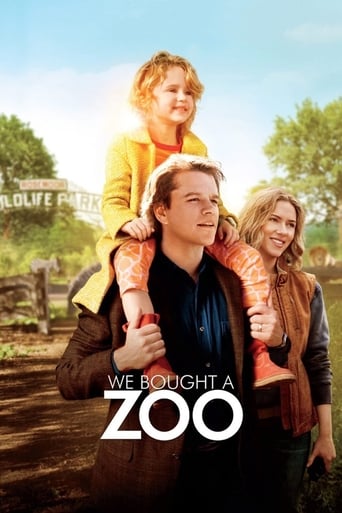
Animals are a reliable source of joy. In Homeward Bound: The Incredible Journey and its sequel, two dogs and a cat cross mountains and a city to find their family. Marley & Me is the life story of a magnificently badly behaved Labrador, MouseHunt sets two brothers against a single mouse in a crumbling mansion, and We Bought a Zoo is exactly what its title promises. Best in Show observes the owners at a dog show with deadpan affection.
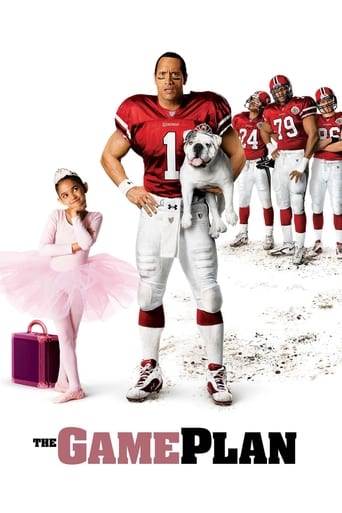
Sport and summer fill the rest. The Sandlot, rated 7.6, remembers one boyhood summer of baseball in 1962. Cool Runnings follows the Jamaican bobsleigh team to the Winter Olympics of 1988, Little Giants fields a team of children whom the town's star coach overlooked, and The Game Plan gives a football star, played by Dwayne Johnson, a daughter he had yet to meet. Secondhand Lions sends a shy boy to spend a summer with two eccentric great-uncles, played by Michael Caine and Robert Duvall, and Time Bandits carries another through holes in time. See the family night page.
School days
Twenty-nine films are about school and growing up, a mood of its own on the home page. Beside the John Hughes films stand two fine stories of summer. The Way Way Back follows a fourteen-year-old on a seaside holiday he is dreading, until he finds a job, and a friend, at the local water park. In The Kings of Summer, three boys leave home to build a house in the woods. Now and Then looks back on four girls in the summer of 1970, and The Sisterhood of the Traveling Pants follows four friends through their first summer apart.
For younger viewers there is Diary of a Wimpy Kid: Rodrick Rules, Ramona and Beezus and Invisible Sister, and for sporty ones Stick It, a sharp comedy set in the world of gymnastics. Most of the television musicals belong to this mood as well. The school days page gathers them.
Christmas
Seven films are kept for December, and between them they cover every seasonal need. Elf is the modern classic, a film whose hero believes so completely in Christmas that the city around him gives in. National Lampoon's Christmas Vacation is its opposite and its equal: Chevy Chase as a father whose plans for a perfect family holiday are undone by relatives, squirrels and twenty-five thousand fairy lights. Home Alone 2: Lost in New York lets a boy loose in a grand hotel with his father's credit card.
The Holiday and While You Were Sleeping are the romances, both best watched under a blanket. Jingle Jangle: A Christmas Journey is a full-scale musical with a toyshop, an inventor and a flying robot, and A Very Jonas Christmas Movie follows three famous brothers trying to get home from London in time for the day. The Christmas page has the list.
Second acts and comebacks
A surprising number of the films are about beginning again, and it is a theme that suits the catalogue. Ricki and the Flash stars Meryl Streep as a woman who left her family to become a rock singer and now fronts a bar band in California; when her daughter needs her, she goes home with her guitar. I Used to Be Famous follows a former boy-band member busking in south London who finds a new musical partner in a gifted young drummer with autism. In Find Me Falling, a rock star played by Harry Connick Jr. retreats to a clifftop house in Cyprus and meets his past.
A Prairie Home Companion, the last film directed by Robert Altman, spends an evening backstage at the final broadcast of a much-loved radio variety show, with Meryl Streep and Lily Tomlin as singing sisters. Music and Lyrics and The Rocker play the comeback for laughs. Among the comedies, The Kid brings a successful man face to face with himself at the age of eight, Overboard gives a spoiled heiress a new life as the mother of four boys, and Hollywood Ending hands a faded film director one last chance.
The most moving second act belongs to The Terminal, rated 7.4. Tom Hanks plays a traveller from eastern Europe stranded in a New York airport for months, who builds a home, a job and a circle of friends between the departure gates. The Secret Life of Walter Mitty sends a daydreaming photo editor on a real adventure to Greenland, Iceland and the Himalayas, and The Odd Life of Timothy Green grants a couple the child they wished for in a most unusual way.
Five decades of comedy and song
Four decade lists sit in the footer and on the lists page, and they tell a small history. The 1980s list has eighteen films and belongs to the teenager and the dreamer: Ferris on his day off, the boy inside Tom Hanks, and the two time-travelling students of Bill & Ted's Excellent Adventure, who collect great figures from history for a school presentation. Innerspace shrinks a test pilot and injects him into a nervous supermarket clerk, and Parenthood, directed by Ron Howard, follows four branches of one family with Steve Martin at its centre.
The 1990s list has twenty-eight films and is the home of the romantic comedy and the family adventure. Beside the titles already named stand What About Bob?, in which Bill Murray's needy patient follows his psychiatrist on holiday, L.A. Story, Steve Martin's love letter to his city, and The Beautician and the Beast, with Fran Drescher as a New York beauty teacher hired by an eastern European ruler.
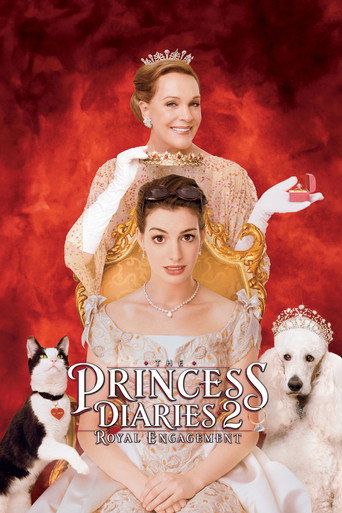
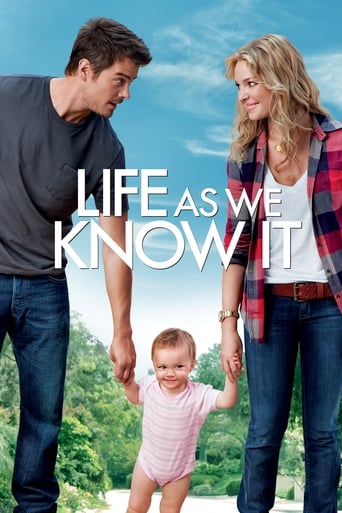
The 2000s are the largest group, with forty-six films, and the decade of the television musical. They also include Little Miss Sunshine, rated 7.7, in which a family crosses three states in a yellow van so that the youngest can enter a children's pageant; About a Boy, with Hugh Grant as a bachelor reformed by a twelve-year-old; Win Win, Life As We Know It and The Princess Diaries 2: Royal Engagement. Since 2010 there are sixty-one films, led by the music titles: this is the era of Sing Street, CODA and the new screen biography.
Familiar faces
Certain performers return like old friends. Meryl Streep appears in four films, making music in every one: on a Greek island, on the radio, in a bar band and in a classroom. Hugh Grant has four as well, and Toni Collette four, among them the mothers of Little Miss Sunshine, About a Boy and The Way Way Back. Michael J. Fox has four counting his two voice parts, and Tom Hanks three.
Audrey Hepburn and Fred Astaire share the golden-age shelf with two films each. Keanu Reeves appears three times, twice as Ted and once as a substitute quarterback. Selena Gomez has three films, Another Cinderella Story, Monte Carlo and Ramona and Beezus, and the stars of High School Musical, Zac Efron and Vanessa Hudgens, three apiece. Bill Murray, Steve Martin, Sandra Bullock, Julia Roberts and Sally Hawkins each appear twice.
Behind the camera, Kenny Ortega directed four films, the three High School Musicals and The Cheetah Girls 2. Jon Turteltaub made three, Cool Runnings, While You Were Sleeping and The Kid. Baz Luhrmann opens and closes his career so far on this list, with Strictly Ballroom and Elvis, thirty years apart. Jon Favreau directed Elf and Chef, Cameron Crowe Say Anything... and We Bought a Zoo, and Mike Leigh Happy-Go-Lucky and Another Year, a gentle film about a contented couple and their friends through four seasons. Typing any of these names in the search field brings their films together.
The top rated list
Fifty movies hold a rating of 7.0 or higher from a solid number of voters, and they make up the Top rated list. CODA and Sing Street lead at 7.9. Back to the Future Part II follows at 7.8, then Selena, The Breakfast Club and Little Miss Sunshine at 7.7, and Groundhog Day, The Sandlot, Ferris Bueller's Day Off and tick, tick... BOOM! at 7.6. Ray, My Fair Lady, Work It and Feel the Beat stand at 7.5.
The balance of that leading group says a good deal about MovieJoy: eight are music films and six are comedies, the oldest was made in 1964 and the newest in 2021. A newcomer could work down those fourteen and meet every mood the site offers.
Underdogs and long shots
If one story runs through both halves of the catalogue, it is the long shot who comes good. The feel-good film loves a contest and loves the entrant whom everyone has written off. Cool Runnings sends four sprinters from a tropical island down an ice track in a borrowed sled. The Replacements fields a team of stand-in footballers, among them a sumo wrestler and a Welsh publican, during a players' strike. Little Giants and Stick It do the same for children's football and for gymnastics, and Win Win finds a struggling lawyer and volunteer wrestling coach, played by Paul Giamatti, an unexpected champion.
Music has its long shots too. The colliery band of Brassed Off plays on while the pit that pays for it faces closure. The fishermen of Port Isaac sing for tourists on the harbour wall until a holidaying music manager hears them. The choir of Joyful Noise travels to a national competition on a shoestring, and the university marching band of Drumline meets its great rival at a stadium contest in Atlanta. In Eurovision Song Contest: The Story of Fire Saga, the two Icelandic hopefuls reach the final by a series of accidents and then earn their place with one song sung from the heart.
These films tend to end the same way, and it is rarely with a trophy. The Jamaican team carries its sled across the line; the wedding singer sings his own song on an aeroplane; the boy from Dublin sets out across the Irish Sea in a small boat with a demo tape. What they win is self-respect and one another, which is a better prize and a more believable one.
Food, friendship and family
A good share of the comedies are about the ordinary pleasures. Food is the subject of Chef, The Hundred-Foot Journey and The Ramen Girl, three films that should be watched only after dinner. Friendship drives Steel Magnolias, where six women see one another through weddings, births and loss with a joke always ready; Now and Then; and Best in Show, whose dog owners are devoted to their animals and, in their own peculiar ways, to each other.
Family is the largest subject of all. Parenthood understands that raising children is a comedy and a drama in the same afternoon. Little Miss Sunshine puts a grandfather, an uncle, two parents and two children in one van and lets them discover that they are a team. Life As We Know It hands two single friends a baby to bring up together, Mr. Mom and The Game Plan teach two fathers a new job, and Another Year shows what a long and happy marriage looks like from the inside. Marley & Me follows a young couple through more than a decade with a dog who chews through all of them.
The music films share the theme. The family of CODA runs a fishing boat together; the father in Selena manages the band; the mother in Flora and Son learns the guitar to reach her teenage boy. Again and again on MovieJoy, a song or a joke turns out to be a way for people who love each other to say so.
Songs worth the ticket
Many viewers come to a music film for one number, and the catalogue is rich in them. My Fair Lady has a whole evening's worth, from a flower seller's dream of a warm room to her triumphant night at the ball. Easter Parade contains the celebrated tramps' duet for Judy Garland and Fred Astaire, and Funny Face a title song photographed in a darkroom glowing red. Oklahoma! opens on a cowboy riding through tall corn, singing about a beautiful morning.
The newer films hold their own. The finale of Sing Street is a school concert that turns into a small act of rebellion. Pitch Perfect 2 ends with generations of former choir members joining the stage, Lemonade Mouth with a whole arena singing for a band that has lost its voice, and Mamma Mia! with the cast in platform boots, dancing through the credits. Jingle Jangle: A Christmas Journey has a snowball fight staged as a dance, and The Muppets a duet between a man and a puppet who ask which of the two they really are.
Dance films have their set pieces as well. Strictly Ballroom reaches its peak when a silent hall begins to clap a rhythm for two dancers whose music has been cut off. Center Stage closes with a ballet danced to rock music, complete with a motorcycle on stage, and Footloose with a school dance held in a grain mill hung with lights. Take the Lead stages a tango for three. Each of these scenes takes only a few minutes, and each is reason enough to press play; the star badge on the poster and the summary on the page will tell you the rest.
Songs and laughter around the world
The films travel well. Ireland has a strong musical tradition on screen, and three of the best band films here were shot in Dublin. Britain appears as the Cornwall of Fisherman's Friends, the Yorkshire of Brassed Off, the Scotland of Local Hero and Brigadoon, and the London of Paddington, Notting Hill and A Royal Night Out, which imagines two young princesses slipping out of the palace to join the crowds on the night the war in Europe ended.
France is the setting for Funny Face, Monte Carlo, in which three American tourists are mistaken for an heiress and her friends, and The Hundred-Foot Journey. Mamma Mia! belongs to Greece, Strictly Ballroom to Australia, Cool Runnings to Jamaica and Canada, and The Ramen Girl to Tokyo, where an American abandoned by her boyfriend apprentices herself to a master of noodle soup. Eurovision Song Contest: The Story of Fire Saga begins in an Icelandic fishing town and ends on a stage in Edinburgh.
The American films range as widely: the New York of Big and Elf, the Chicago of Ferris Bueller, the Texas of Selena and Secondhand Lions, the Louisiana of Steel Magnolias, the Oklahoma of the musical that bears its name, and the Hawaii of Elvis Presley.
Choosing by mood
Because the site is arranged by mood, planning an evening is quick. To sing, choose Mamma Mia! or Pitch Perfect 2. To be moved, choose CODA or Mr. Holland's Opus. To laugh until it hurts, Liar Liar or What About Bob?. For a first date, Serendipity; for a tenth anniversary, Enough Said. For a room full of children, Paddington; for a room full of teenagers, Ferris Bueller's Day Off or Lemonade Mouth; for grandparents, Easter Parade or High Society.
Running times are printed under every poster, which helps on a school night. The shortest films, Invisible Sister and A Very Jonas Christmas Movie, last 78 minutes; Frequently Asked Questions About Time Travel, a British comedy about three friends who find a time leak in their local pub, lasts 83. Most of the catalogue runs between ninety minutes and two hours, and only the grandest musicals go far beyond.
Double bills are a pleasure of their own. Pair Funny Face with My Fair Lady for two sides of Audrey Hepburn. Follow Bill & Ted's Excellent Adventure with Bill & Ted Face the Music and watch thirty-one years pass. Set Blue Hawaii beside Elvis to see the star and then the story behind him, or Strictly Ballroom beside Take the Lead for ballroom on two continents.
A movie page in detail
Each movie page follows one plan. The poster, the title and the year stand at the top with the running time and the genres, followed by the summary and two buttons, Watch now and the list button. The Where to watch panel holds the country selector. A table gives the original title, the release date, the language, the country, the studio and the audience rating with the number of votes behind it.
The cast list names each performer and the part played, and the director is credited beneath. Related movies close the page, drawn from the same moods, so that Center Stage leads to other dance films and Big to other comedies of its decade. The search field in the yellow bar accepts a title, a name or a year, and shows its results as posters with the same star badges as the rest of the site.
Why feel-good films matter
It is easy to underrate a film that sets out simply to please, and the history of the cinema suggests that pleasing an audience is among the hardest things to do well. A musical number has to be rehearsed for weeks to look effortless for three minutes. A comedy has to be built like a watch for its surprises to land. The films gathered here are, in that sense, works of craft: the long takes of Fred Astaire dancing, filmed from head to toe so that the audience could see every step; the clockwork plotting of Groundhog Day; the live singing on the set of The Commitments.
They are also films that people return to. Many of the titles on MovieJoy are watched once a year in the same households, at Christmas, on birthdays, at the start of the summer holidays. A guide to them is a guide to shared habits as much as to cinema, and the site is arranged to make those habits easy to keep.
Questions and answers
Questions
What is MovieJoy?
MovieJoy is a guide to 163 feel-good movies: 74 films about music, among them 36 musicals and 17 dance films, and 89 comedies. Each movie has a page with its cast, summary and rating, and a Watch now button that leads to the official services carrying it.
How are the movies arranged?
By mood. Eight round buttons on the home page open lists called Sing along, Dance, Laugh, Fall in love, Family night, Golden age, School days and Christmas, and four further lists sort the movies by decade.
How do I start a movie?
Open the movie's page, set your country in the Where to watch panel and press the coral Watch now button. JustWatch then lists the subscription, rental, purchase and free services that carry the film in that country.
Which movies have the highest ratings?
CODA and Sing Street lead at 7.9, followed by Back to the Future Part II at 7.8 and Selena, The Breakfast Club and Little Miss Sunshine at 7.7. Fifty movies are rated 7.0 or higher.
How old is the oldest movie?
The Great Ziegfeld dates from 1936 and A Day at the Races from 1937. Ten movies were made before 1970 and form the Golden age list.
Are the films suitable for children?
The catalogue was chosen by hand for a household audience, and thirty-nine movies carry the Family label. Each page gives the genres and a summary so that parents can judge a film in advance.
Are there dance films?
Yes. Seventeen, from Strictly Ballroom and Center Stage to StreetDance 3D, Work It and Feel the Beat.
Does MovieJoy list television programmes?
MovieJoy is a movie guide. Sixteen of its films were first shown on television, among them High School Musical, Camp Rock and Lemonade Mouth, and each is a complete feature.
How does My List work?
My List keeps bookmarks for the films you plan to see. This browser holds them on the device in use, every change shows at once, and the list page offers a download of the whole set.
Where does the information come from?
Posters, ratings, casts and production details come from TMDB. The guide on this page and the help pages are written for MovieJoy.
